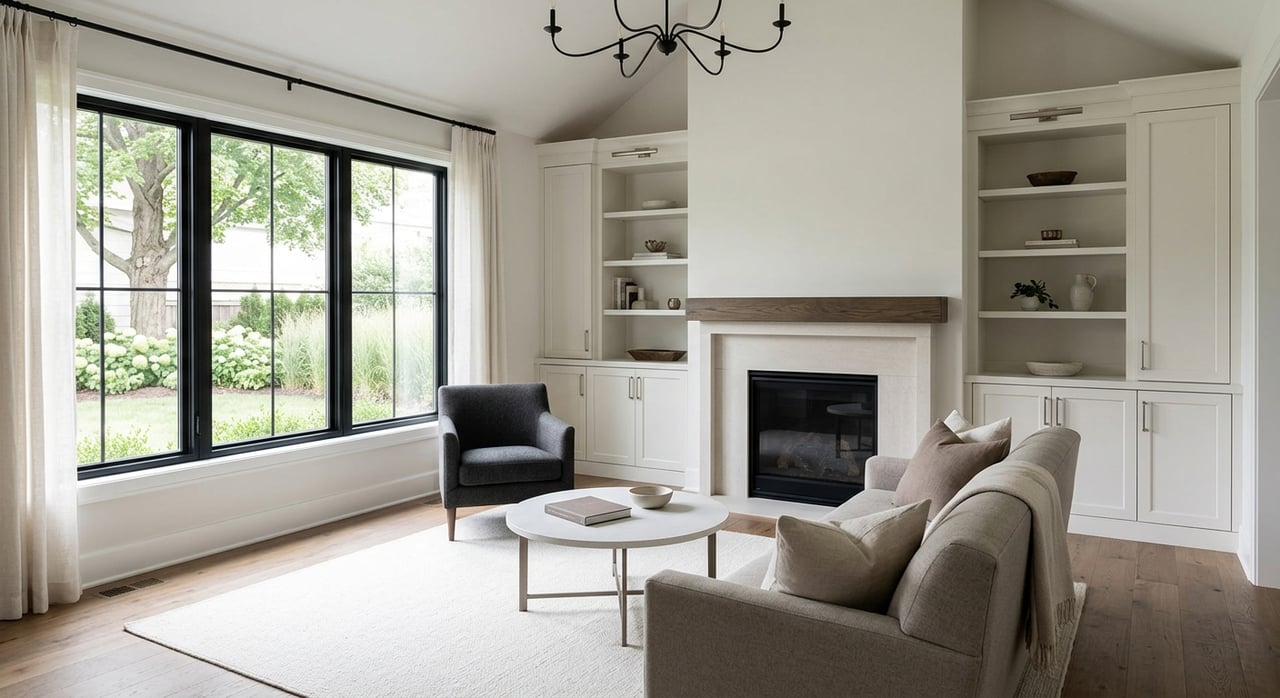
If selling your Janesville home feels a little overwhelming, you are not alone. Even in a market where homes can still move quickly, buyers are comparing listings fast and noticing the details. The good news is that a low-stress sale usually starts with a clear plan, smart prep, and a few well-timed decisions. Let’s dive in.
Know the Janesville market
Janesville sellers are working in a market that is active, but not automatic. March 2026 data from Redfin shows a median sale price of $275,000 and 47 median days on market, while Zillow reports a typical home value of $292,557 and homes going pending in about 21 days. Redfin’s current new-listings data also shows 38 new listings, a median list price of $325,000, about 42 days on market, and roughly one offer per home.
These numbers use different methods, so the exact timing can vary. Still, they point to the same takeaway: buyers have choices, and homes that look clean, well cared for, and photo-ready are better positioned. That matters whether you are selling a single-family house, a condo, a townhouse, or a multi-family property.
Start with repairs and disclosures
One of the best ways to reduce stress later is to deal with known issues before your home goes live. That means reviewing repairs, gathering paperwork, and making sure you understand what must be disclosed. A little front-end work can help you avoid surprises after an offer comes in.
Consider a pre-sale inspection
A pre-sale inspection is optional. It is not required, but it can help you spot problems early, decide what to repair, and price your home with more confidence.
If the inspection uncovers issues, you have time to address them before buyers do. That can lead to smoother negotiations and fewer last-minute disruptions.
Understand Wisconsin disclosure rules
In Wisconsin, owners of one-to-four dwelling unit properties generally must provide a Real Estate Condition Report. The DSPS-approved forms state that this report is generally due within 10 days after acceptance.
The same forms also explain that buyers may have rescission rights if the report is late, incomplete, or if defects are disclosed after an offer has already been submitted. The disclosure topics are broad and can include the roof, basement or foundation, electrical, plumbing, HVAC, moisture concerns, mold, asbestos, lead, tanks, HOA or special assessment issues, floodplain or shoreland matters, and remodeling completed without required permits.
Check permits before listing
If you have updated the property over the years, this step matters. Janesville’s Building Division says permits are required for many common projects, including additions and alterations, decks, fences, garages, pools, hot tubs, HVAC replacement or addition, electrical service upgrades or new wiring, and most plumbing work except minor repairs.
If you are unsure whether past work was properly permitted, it is wise to confirm that before listing. That can help you avoid disclosure questions and reduce the chance of delays during the transaction.
If your home was built before 1978
Older homes may come with another important step. Federal law requires sellers and agents to disclose known lead-based paint and hazard information before a sale, provide available records, and give buyers a 10-day opportunity for a lead inspection or risk assessment.
If any repair work will disturb lead paint, the contractor must use lead-safe certified practices. If your home falls into this age range, it is smart to gather records and plan ahead.
Focus on the prep buyers notice
You do not need a major renovation to make a strong impression. In many cases, the most effective prep is also the most practical: cleaning, decluttering, touch-ups, and small repairs.
NAR guidance says cosmetic updates are not required, but cleaning windows, carpets, lighting fixtures, and walls, storing away clutter, and improving curb appeal can make a meaningful difference. Their 2025 staging study also found that the most commonly recommended seller tasks were decluttering, whole-home cleaning, and curb appeal improvements, followed by paint touch-ups, carpet cleaning, and minor repairs.
Prioritize visible improvements
If you want the biggest impact without overcomplicating the process, focus on what buyers will notice first. Start with the items that make the home feel clean, bright, and easy to picture living in.
A practical prep list often includes:
- Remove excess furniture to make rooms feel more open
- Pack away personal items and visual clutter
- Deep-clean the entire home
- Touch up scuffed or chipped paint
- Clean carpets and flooring
- Fix obvious small defects like loose handles or dripping faucets
- Trim landscaping and freshen up the entry
These are often the highest-value steps because they improve both in-person showings and listing photos.
Stage the key rooms
Staging does not have to mean renting a full house of furniture. It often means arranging what you already have so the home shows better online and in person.
According to NAR’s 2025 staging research, staging most often helps buyers visualize the property as a future home. The living room, primary bedroom, and kitchen were identified as the most important rooms to stage, so if you are short on time or budget, start there.
Get ready for photos and marketing
Once the home is clean and repaired, the next step is presentation. Marketing works best when your home is ready before the first photo is taken.
NAR says home marketing can include staging, professional photography, social media, signage, open houses, and competitive pricing. In the same staging research, buyers’ agents rated photos, traditional staging, videos, and virtual tours as highly important, which reinforces how much your initial presentation matters.
Prep for listing photos
Think of photo day as your home’s first showing. Buyers often decide which homes to visit based on photos alone, so the house should look polished, bright, and uncluttered.
Before photography, try to have:
- Clear counters and sinks
- Beds made neatly
- Blinds open for natural light
- Lights on in darker rooms
- Trash removed
- Personal items tucked away
- Floors and surfaces freshly cleaned
These simple steps can make each room look larger, lighter, and more inviting.
Create a low-stress showing routine
Showings can feel disruptive, especially if you still live in the home. A simple routine can make them much easier to manage.
The goal is not perfection every minute of the day. It is having a repeatable system that helps you get out the door quickly and keeps the home consistently presentable.
Keep a quick-exit checklist
When a showing request comes in, a short checklist can save a lot of stress. Many sellers find it helpful to keep the home in near-ready condition during the first days on market.
A simple showing routine may include:
- Turn on lights
- Open blinds
- Make beds
- Clear bathroom and kitchen counters
- Empty sinks
- Remove trash
- Set the thermostat to a comfortable level
- Take pets out or make arrangements for them
- Secure valuables and personal items
This approach lines up well with the same cleaning, decluttering, and staging priorities that support stronger photos and better buyer impressions.
Keep the home consistent through closing
Your job is not over once you accept an offer. In Wisconsin, buyers typically do a final walk-through close to closing to confirm the property’s condition and verify that agreed-upon repairs were completed.
That means it is important to keep the home in the same condition from acceptance through closing. Staying organized during this period can help prevent last-minute friction.
Condo sellers have one extra step
If you are selling a condo in Janesville, start your association paperwork early. This is one of the easiest ways to avoid delays.
Wisconsin REALTORS Association condo guidance notes that the packet may include the declaration, bylaws, rules, articles, management contracts, budgets, and unit or common-element information. The association is the best source for the current documents, and missing documents can create buyer rescission rights.
If you own a condo, gathering this information before photos or showings begin can make the process much smoother.
Keep your prep simple and strategic
A low-stress sale usually does not come from doing everything. It comes from doing the right things in the right order.
In Janesville’s current market, that often means handling disclosures early, checking permits, cleaning thoroughly, making visible minor fixes, and preparing for strong listing photos. When buyers are moving quickly and comparing multiple options, thoughtful prep can help your home stand out for the right reasons.
If you are getting ready to sell in Janesville or anywhere nearby in Southern Wisconsin, working with a local agent who values clear communication and practical guidance can make a real difference. When you are ready for a calmer, more confident plan, connect with Kimberley Govert-Meris.
FAQs
Do I need a pre-listing inspection to sell a home in Janesville?
- No. A pre-sale inspection is optional, but it can help you discover issues early so you can repair them or price the home accordingly.
What prep matters most when selling a Janesville home?
- In the current Janesville market, the most important prep is usually cleaning, decluttering, improving curb appeal, handling small visible repairs, and making sure the home is ready for strong photos.
What disclosures do Wisconsin home sellers need to prepare?
- For one-to-four dwelling unit properties, sellers generally must provide a Real Estate Condition Report, and the form covers a wide range of topics such as roof, foundation, plumbing, HVAC, moisture issues, permits, and more.
What should Janesville sellers know about permits before listing?
- Janesville requires permits for many common projects, including additions, decks, fences, garages, pools, hot tubs, HVAC work, electrical upgrades, and most plumbing work except minor repairs, so it is smart to confirm past work before listing.
What should condo sellers in Janesville prepare before going on the market?
- Condo sellers should request current association documents early, including items like bylaws, budgets, rules, and unit or common-element information, because missing documents can delay the sale and create buyer rescission rights.
What if my Janesville home was built before 1978?
- If your home was built before 1978, you must disclose known lead-based paint and hazard information, provide any available records, and give buyers a 10-day opportunity for a lead inspection or risk assessment.