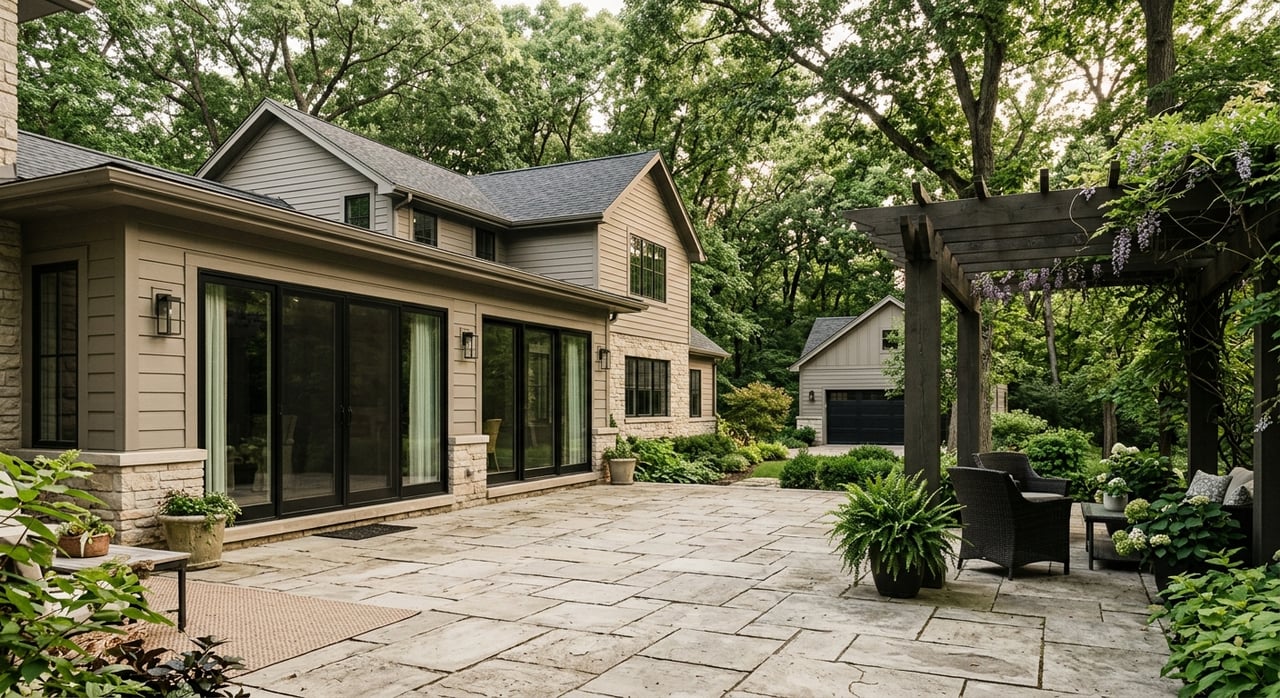
Are you selling more than a house near Brodhead? If your property includes acreage, outbuildings, a private well, or room to spread out, buyers will look at it very differently than they would an in-town home. The good news is that with the right prep, you can answer the questions that matter most, build buyer confidence, and present the property clearly from day one. Let’s dive in.
Why lifestyle properties need a different selling plan
A lifestyle property near Brodhead is often about the full package, not just the square footage inside the home. Buyers may be thinking about the land, access, utilities, storage, views, or future possibilities as much as the house itself.
That matters because rural and semi-rural properties often come with details that need extra explanation. In this area, parcel lines, zoning, water and wastewater systems, and land conditions can all shape buyer interest and value.
Brodhead’s planning framework also makes a clear distinction between in-town properties and areas outside municipal utility service. New city development is expected to have municipal water, wastewater, and stormwater systems, while properties outside municipal sewer and water service must follow Wisconsin’s sanitary rules and county sanitary code.
Start with parcel-level facts
For a lifestyle listing, the mailing address is only part of the story. Green County’s mapping and land records tools show parcel boundaries, zoning districts, taxing jurisdictions, ownership records, assessments, taxes, and other land details that buyers often want to understand before they make an offer.
This is especially important because Green County includes a large land area, with 584.04 square miles of land. In a market with a mix of town and country properties, clear parcel-level information helps buyers understand exactly what is being sold.
Before listing, it helps to gather the documents and details that explain the site clearly. The more organized you are up front, the easier it is to answer buyer questions quickly and confidently.
Useful records to gather early
- Survey or certified survey map, if available
- Parcel map or GIS image showing boundaries
- Driveway or access records
- Easement information
- Tax parcel details
- Utility and septic records
- Well information
- Outbuilding details and permits, if available
Be ready to explain access and split potential
One of the most common questions buyers ask about acreage is whether part of the land can be divided in the future. Near Brodhead, that answer is not something you want to guess at.
Green County subdivision rules require approval before a land division. Remnant parcels of 10 acres or less also require a certified survey map, and that map must show acreage, existing buildings, wells, sewer vents, and other structures.
In some cases, new road access may also require permits before final approval. That is why it is smart to gather surveys, driveway records, easements, and access permits before your listing goes live.
A better way to talk about future use
Instead of advertising broad promises about what a buyer can do with the land, focus on documented facts. You can explain the current parcel layout, known access points, and whether any past survey or land-division work has been completed.
That approach protects trust and gives buyers a more useful starting point. If someone is interested in splitting acreage, they will know what information is already available and what still needs county review.
Show what the land can actually support
With lifestyle properties, total acreage does not always tell the whole story. Buyers often want to know how usable the land is and whether it supports their goals.
Green County can deny land divisions if a site is unsuitable because of flooding, drainage, soil or rock limitations, erosion potential, topography, water supply, sewage disposal, or emergency vehicle access. That means buyers may care just as much about the practical function of the land as the number of acres on paper.
When you market the property, it helps to describe the site in a clear, factual way. Think in terms of access, layout, open ground, wooded areas, outbuildings, and utility setup rather than broad assumptions.
Clarify wells and wastewater systems
If your property is outside city utility service, buyers will want a simple explanation of how water and wastewater are handled. This should be one of the clearest parts of your listing package.
The Wisconsin Department of Natural Resources says state law does not require a well inspection or water testing at transfer. However, if an inspection is done, it must be completed by a licensed water well driller or pump installer.
The DNR and Wisconsin Department of Health Services also note that private well owners are responsible for maintenance. DHS recommends annual bacteria and nitrate testing, plus arsenic and lead testing every five years.
For onsite wastewater systems, the Department of Safety and Professional Services regulates POWTS systems, while counties have primary responsibility for inspections. From a seller’s perspective, that makes good recordkeeping especially important.
Septic and well records buyers appreciate
- Well location and basic system details
- Any available water test results
- Pump or service history
- Septic pumping records
- Repair history
- Permits
- Inspection reports, if available
Having these records ready does not just answer questions. It also shows buyers that the property has been cared for and that you take the details seriously.
Don’t overlook legacy tank issues
Older country properties sometimes have fuel or storage tank questions that come up late in the process. It is much better to address these early.
Wisconsin’s disclosure framework requires sellers to disclose storage tanks. DATCP also notes that if a tank remains on site, the buyer may inherit responsibility, and undocumented closures can create compliance issues.
This can be especially relevant for properties with older outbuildings, buried tanks, shop heaters, or past farm-related fuel systems. If you have records, closures, or known details, gather them before listing.
Check for floodplain and shoreland factors
If your property includes low-lying land or sits near water, buyers may need more context before they are comfortable moving forward. This is another area where clear facts can make a big difference.
Green County’s shoreland ordinance applies within 300 feet of navigable rivers or streams and within 1,000 feet of lakes or ponds. The county floodplain ordinance regulates areas covered by the regional or base flood, and the ordinance says real estate transfers should identify the property’s floodplain zoning district.
For sellers, this does not mean the property cannot be attractive to buyers. It means you should be ready to explain what portion of the land is affected and provide mapping or zoning information when possible.
Market the whole property, not just the house
A lifestyle property needs marketing that helps buyers understand the full site. If the listing only shows kitchen counters and living room angles, it may miss the features that make the property stand out.
A strong presentation often includes wide exterior photos, driveway and access views, outbuilding images, and photos that show how the house sits on the land. Aerial images can also help buyers see the roofline, yard, surrounding views, and overall layout.
At the same time, honest presentation matters. Overstated photos or images that create the wrong expectation can weaken trust.
Listing visuals that help lifestyle properties shine
- Wide shots of the home and immediate grounds
- Aerial views of the parcel layout
- Driveway and road access photos
- Outbuildings, sheds, barns, or workshops
- Open land, tree lines, and natural features
- Utility-related features buyers need to understand
County maps can support this visual story. Green County’s GIS viewer includes parcel boundaries, zoning districts, taxing jurisdictions, and other layers that can help buyers understand where the home sits and what land is included.
Answer buyer questions before they ask
The best lifestyle property listings reduce uncertainty early. When buyers can quickly understand access, utility setup, land features, and known restrictions, they are more likely to see the property clearly and move forward with confidence.
That does not mean overwhelming people with technical paperwork in the first sentence of the listing. It means building a smart, organized package that supports your marketing and helps serious buyers get the facts they need.
If you are selling a lifestyle property near Brodhead, a thoughtful plan can make the process smoother from pricing through closing. With the right guidance, you can tell the full story of the property in a way that feels clear, honest, and compelling.
When you are ready to prepare, position, and market your acreage or country property with local insight, connect with Kimberley Govert-Meris.
FAQs
What makes selling a lifestyle property near Brodhead different from selling an in-town home?
- Properties near Brodhead often require more explanation about acreage, access, parcel boundaries, zoning, private wells, and onsite wastewater systems than a typical home served by municipal utilities.
Can a buyer split acreage on a property near Brodhead, Wisconsin?
- Maybe, but Green County requires approval for land divisions, and factors such as certified survey map requirements, road access permits, and land suitability can affect whether a split is possible.
What utility information should sellers provide for rural property near Brodhead?
- You should clearly explain whether the property uses municipal service or relies on a private well and POWTS system, and it helps to provide well records, water test results if available, septic pumping records, permits, and repair history.
Do sellers need to disclose storage tanks on country properties in Wisconsin?
- Yes, Wisconsin’s disclosure framework requires sellers to disclose storage tanks, and any known records about active, abandoned, or closed tanks should be gathered early.
Why do floodplain and shoreland rules matter when selling land near Brodhead?
- Green County regulates floodplain areas and applies shoreland rules near certain rivers, streams, lakes, and ponds, so buyers often want to know early whether any part of the property is affected.
How should a lifestyle property near Brodhead be marketed to buyers?
- The strongest marketing usually shows the full site with honest photos, aerial views, access points, outbuildings, and parcel context so buyers can understand both the home and the land.